
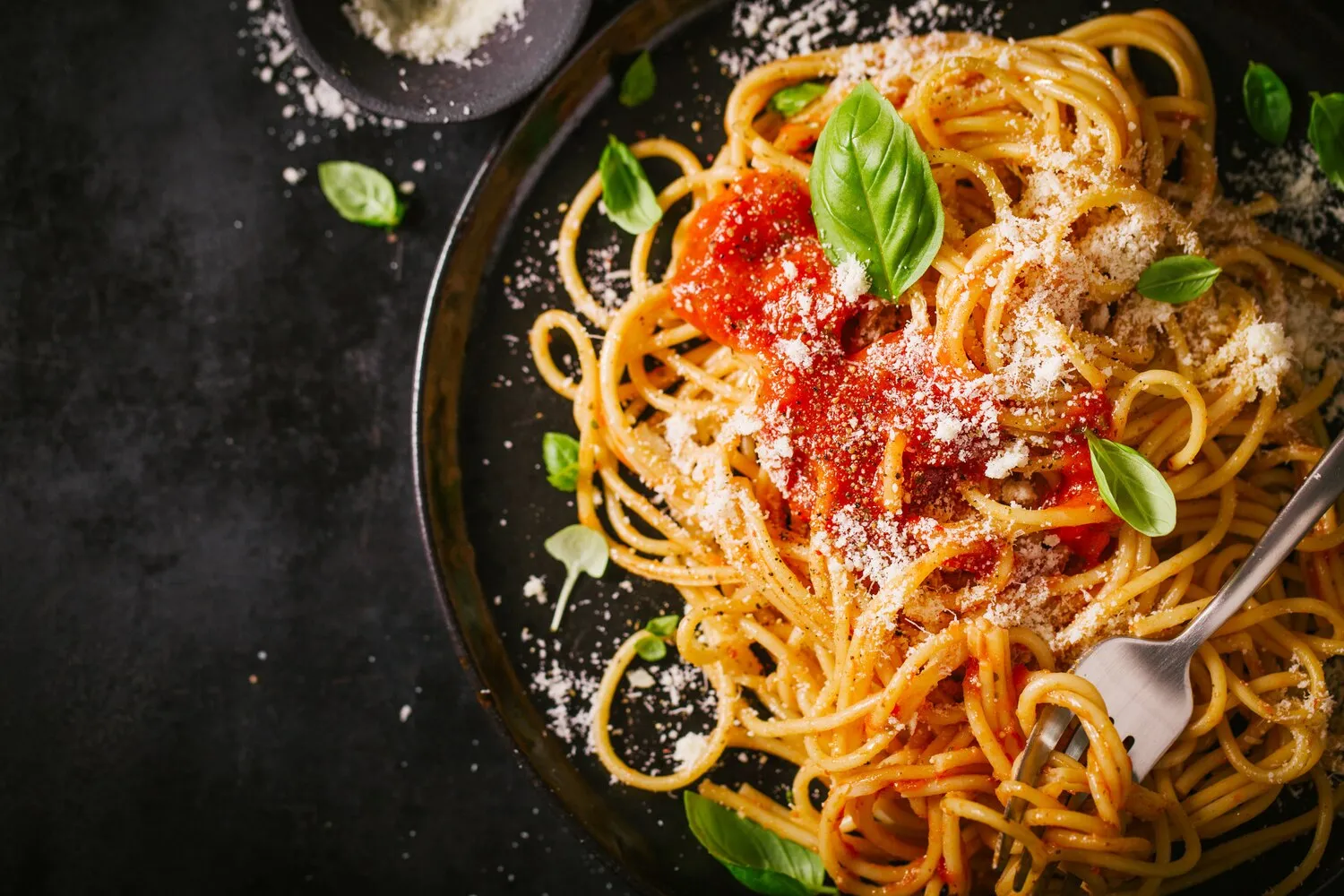

Pasta
The restaurant also serves pasta dishes.
Nutrition Facts
* The % Daily Value (DV) tells you how much a nutrient in a serving of food contributes to a daily diet. 2,000 calories a day is used for general nutrition advice.
Premium Feature
Premium Feature
Pasta's history is long and varied. While many believe Marco Polo brought it from China, pasta existed in Italy since Etruscan times. Its modern form evolved throughout the Middle Ages, becoming a staple of the Italian diet by the 17th century. Regional variations developed due to available ingredients and cooking techniques.
Premium Feature
Pasta is deeply ingrained in Italian culture, representing family, tradition, and regional identity. It's a staple food enjoyed at family meals, festive occasions, and simple weeknight dinners.
Family Meals
Pasta is often the centerpiece of family gatherings, symbolizing unity and sharing.
Regional Variations
Each region of Italy boasts its own unique pasta shapes and sauces, reflecting local ingredients and culinary traditions.
Symbolic Food
Pasta dishes are often associated with specific holidays and celebrations, carrying symbolic meaning.
Premium Feature
Pasta is a versatile dish; its flavors are largely dependent on the sauce and accompanying ingredients, ranging from simple tomato-based sauces to rich cream sauces, seafood, and meat ragus.
The flavor profile of pasta is primarily determined by the sauce. Tomato sauces offer acidity and sweetness, often enhanced with herbs like basil and oregano. Cream-based sauces provide richness and smoothness, sometimes incorporating cheese like Parmesan or Romano. Pesto brings a fresh, herbaceous flavor with basil, pine nuts, garlic, and olive oil. Seafood-based sauces introduce briny and savory notes. Meat ragus deliver depth and umami. The type of pasta also influences the flavor and texture. Some pasta is best served with light and delicate sauces, while others pair well with heavy and bold flavors.
Premium Feature
Cook Pasta Al Dente
Cook pasta until it's firm to the bite (al dente). This ensures a pleasant texture and prevents it from becoming mushy.
Use Enough Salt
Salt the pasta water generously. This seasons the pasta from the inside out.
Reserve Pasta Water
Before draining, reserve some of the pasta water. The starchy water can be used to emulsify the sauce and create a smoother, creamier consistency.
Combine Pasta and Sauce Immediately
Toss the cooked pasta with the sauce immediately. This allows the pasta to absorb the flavors of the sauce and prevents it from sticking together.
Premium Feature
Explore additional Italian dishes and restaurants
Explore ItalianDiscover top dining spots and culinary experiences in Salzburg.
Explore SalzburgLearn more about the food culture, restaurant scene, and culinary heritage of Austria.
Explore Austria