
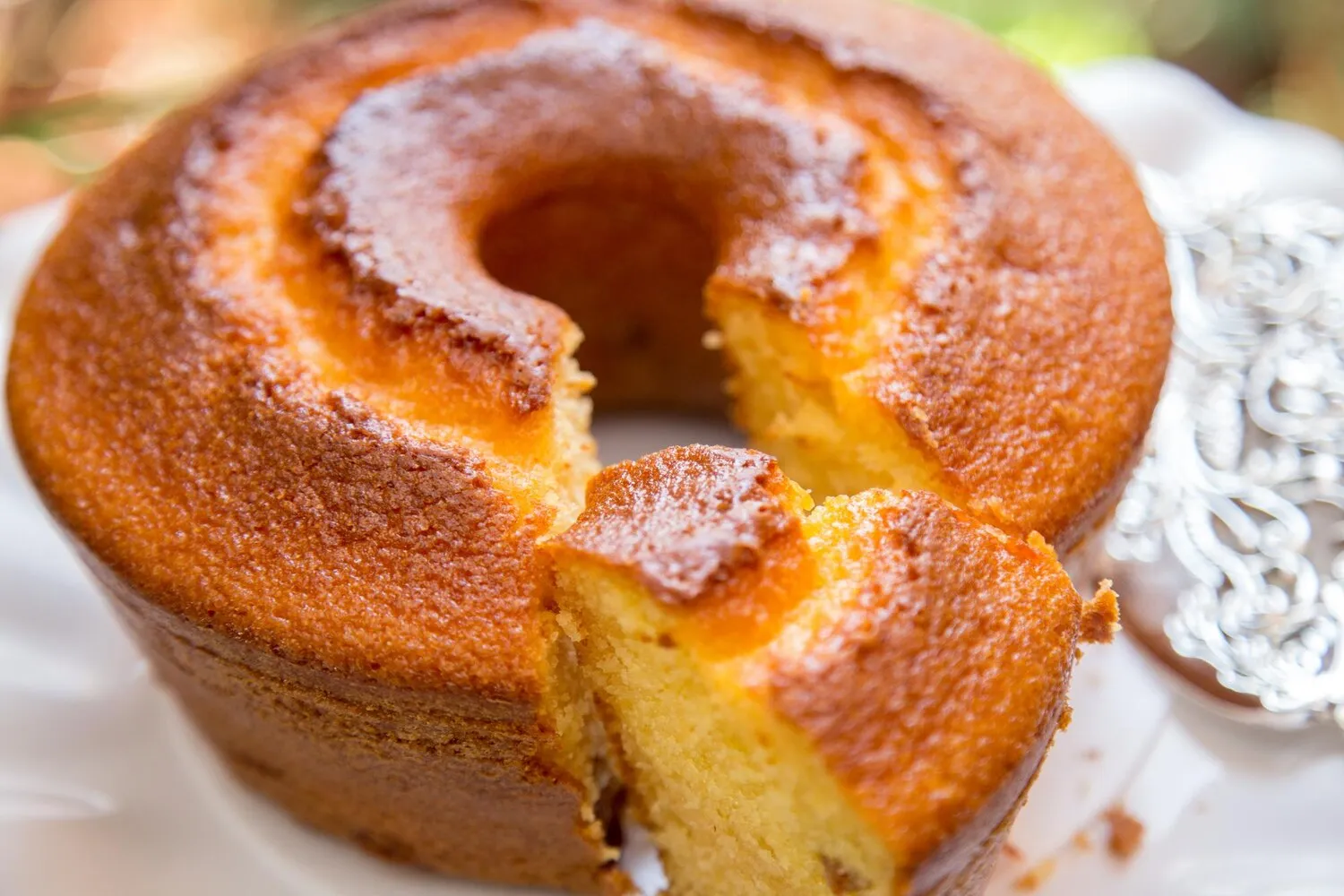

Bolos
Cakes and sweets, including Bolo de Cenoura, Bolo de Chocolate, and other traditional Brazilian cakes.
Nutrition Facts
* The % Daily Value (DV) tells you how much a nutrient in a serving of food contributes to a daily diet. 2,000 calories a day is used for general nutrition advice.
Premium Feature
Premium Feature
Brazilian baking traditions, including bolos (cakes), have been heavily influenced by Portuguese colonization, indigenous ingredients, and African culinary techniques. Portuguese explorers brought wheat, sugar, and baking methods, which were then adapted using local fruits, nuts, and spices. African influence is evident in the use of ingredients like coconut milk and palm sugar in some desserts.
Premium Feature
Bolo holds significant cultural importance in Brazil, playing a central role in celebrations, family gatherings, and everyday life. It's a symbol of hospitality, warmth, and shared joy.
Birthday Celebrations
Bolo de Aniversário (birthday cake) is a must-have for birthday parties, often elaborately decorated with frosting, sprinkles, and candles. It represents a milestone and is a focal point of the celebration.
Family Gatherings
Cakes are commonly served during family meals and reunions. They represent a moment of togetherness and shared enjoyment. Grandma's secret bolo recipe is often a cherished family tradition.
Café da Manhã (Breakfast) and Lanche da Tarde (Afternoon Snack)
Simple cakes like Bolo de Fubá or Bolo de Cenoura are frequently enjoyed with coffee or tea for breakfast or as an afternoon snack, providing a comforting and satisfying treat.
Festas Juninas
During Festas Juninas (June Festivals), traditional cakes like Bolo de Milho (corn cake) and Bolo de Mandioca (cassava cake) are widely consumed, celebrating the harvest season.
Premium Feature
Brazilian cakes showcase a vibrant array of flavors, ranging from the comforting sweetness of chocolate and carrot to the tropical notes of coconut and passion fruit. Many recipes incorporate local ingredients, providing unique and distinctive tastes.
Common flavors include: *Chocolate (Bolo de Chocolate):* Rich, intense chocolate flavor, often with a moist and fudgy texture. *Carrot (Bolo de Cenoura):* Sweet and earthy carrot flavor, typically paired with a chocolate ganache or frosting. *Coconut (Bolo de Coco):* Sweet and creamy coconut flavor, often using both coconut milk and shredded coconut. *Passion Fruit (Bolo de Maracujá):* Tangy and aromatic passion fruit flavor, adding a refreshing dimension. *Corn (Bolo de Fubá):* Slightly sweet and subtly corny flavor, often using cornmeal (fubá) for a rustic texture. Other flavors include orange, lemon, guava, and dulce de leche (doce de leite).
Premium Feature
Moistness is Key
Brazilian cakes are known for their moist texture. Ensure you don't overbake the cake, and consider adding ingredients like sour cream, yogurt, or oil to enhance moisture.
Use Quality Ingredients
The flavor of your cake depends heavily on the quality of ingredients. Opt for fresh fruits, good quality chocolate, and high-quality butter or oil.
Don't Overmix
Overmixing can lead to a tough cake. Mix the batter until just combined to avoid developing too much gluten.
Temperature Matters
Make sure your ingredients, especially eggs and butter, are at room temperature for better emulsification and a smoother batter.
Experiment with Flavors
Don't be afraid to experiment with different flavor combinations and local ingredients. Try adding spices like cinnamon or nutmeg, or incorporating tropical fruits like guava or pineapple.
Bolo de Cenoura Secret
For a richer Bolo de Cenoura, lightly sautee the carrots before blending them into the batter.
Premium Feature
Explore additional Desserts dishes and restaurants
Explore DessertsDiscover top dining spots and culinary experiences in Diadema.
Explore DiademaLearn more about the food culture, restaurant scene, and culinary heritage of Brazil.
Explore Brazil