
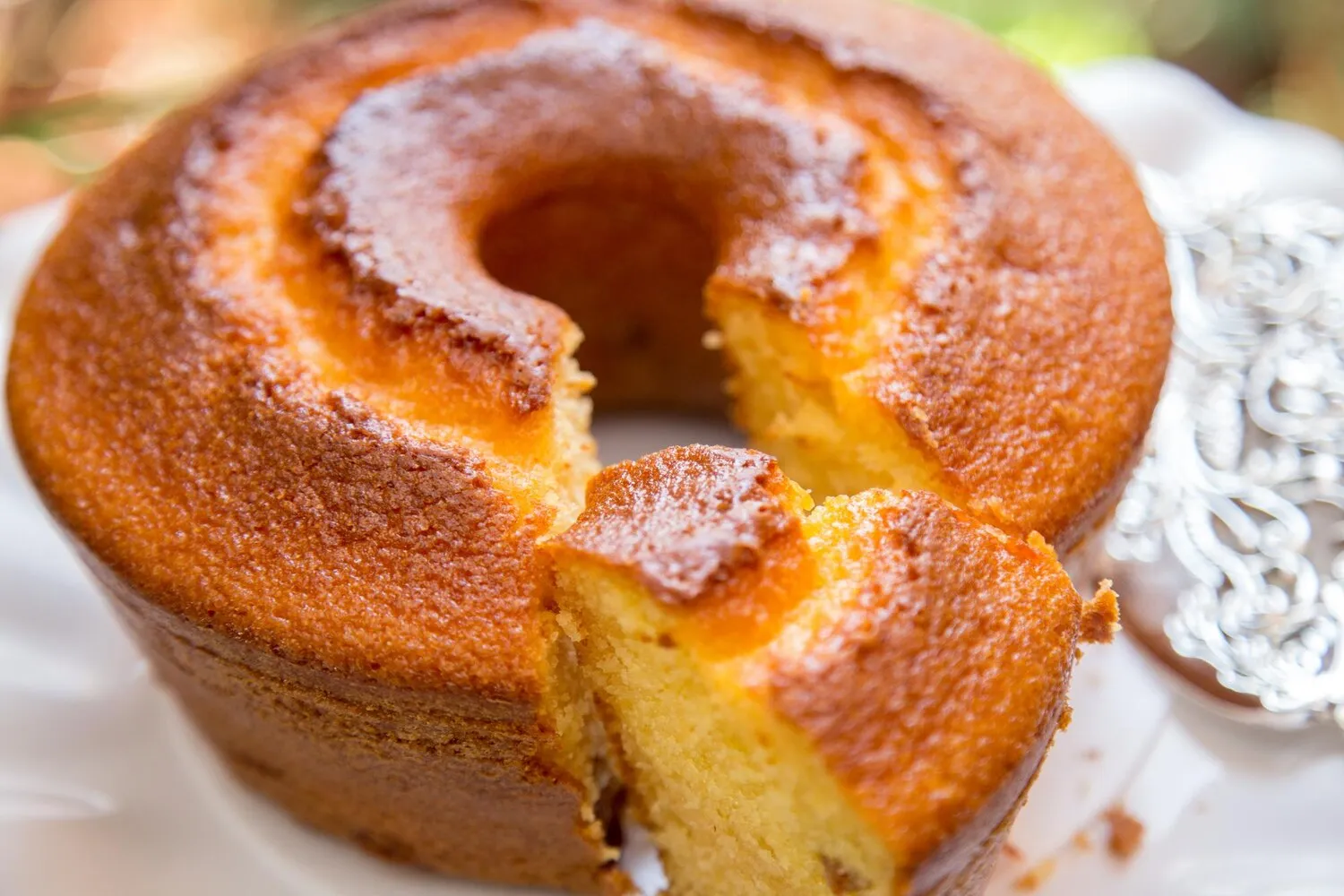

Bolos
Cakes of different flavors, especially popular for birthdays and celebrations.
Nutrition Facts
* The % Daily Value (DV) tells you how much a nutrient in a serving of food contributes to a daily diet. 2,000 calories a day is used for general nutrition advice.
Premium Feature
Panificadora Santíssima Gula
Premium Feature
Portuguese cake-making traditions have deep roots, influenced by centuries of trade and colonization. Spices from the East, sugar from Madeira, and techniques refined over generations all contributed to the diverse array of cakes found in Portugal today. Monasteries played a significant role in developing and preserving recipes, often incorporating local ingredients and adapting them to religious celebrations.
Premium Feature
Cakes, or 'bolos' in Portuguese, are central to celebrations and social gatherings in Portugal. They are particularly prominent during birthdays, weddings, and religious holidays, representing joy, prosperity, and togetherness.
Birthdays
Birthday cakes are a must-have for any Portuguese birthday celebration. They are often elaborate, decorated with frosting, candies, and candles, and represent a symbol of good wishes for the birthday person's future. Family gatherings are commonly built around sharing the cake.
Weddings
Wedding cakes in Portugal are typically multi-tiered and beautifully decorated. They symbolize the sweetness of the couple's union and are shared with guests as a gesture of hospitality and celebration. Traditional almond cakes or sponge cakes are often chosen.
Religious Holidays
Special cakes are baked for religious holidays like Christmas and Easter. Bolo Rei (King Cake) is a traditional Christmas cake with candied fruits and nuts, while Pão de Ló (Sponge Cake) is popular during Easter. These cakes have symbolic meanings associated with the respective holidays.
Premium Feature
Portuguese cakes showcase a wide array of flavors, often emphasizing eggs, sugar, nuts, and spices. Regional variations are abundant, resulting in a diverse palette of tastes and textures.
Common flavors include cinnamon, almond, lemon, orange, vanilla, and chocolate. Many cakes incorporate eggs, providing a rich and moist texture. Dried fruits like raisins and candied citrus peel are also frequently used. Nuts, such as almonds and walnuts, add texture and depth of flavor. Spices like cinnamon, cloves, and nutmeg enhance the aromatic complexity. Some cakes are infused with fortified wines like Port or Madeira, adding a unique flavor profile.
Premium Feature
Egg Incorporation
When a recipe calls for incorporating eggs, make sure they are at room temperature for better emulsification. Beat the eggs thoroughly, especially when making sponge cakes, to achieve a light and airy texture.
Oven Temperature
Maintain a consistent oven temperature to ensure even baking. Use an oven thermometer to verify the accuracy of your oven. Avoid opening the oven door frequently during baking, as this can cause the cake to collapse.
Ingredient Quality
Use high-quality ingredients, especially butter and eggs, for the best flavor and texture. Fresh citrus zest and juice will enhance the flavor of many Portuguese cakes.
Premium Feature
Explore additional Bakery dishes and restaurants
Explore BakeryDiscover top dining spots and culinary experiences in Florianópolis.
Explore FlorianópolisLearn more about the food culture, restaurant scene, and culinary heritage of Brazil.
Explore Brazil