

Pastel
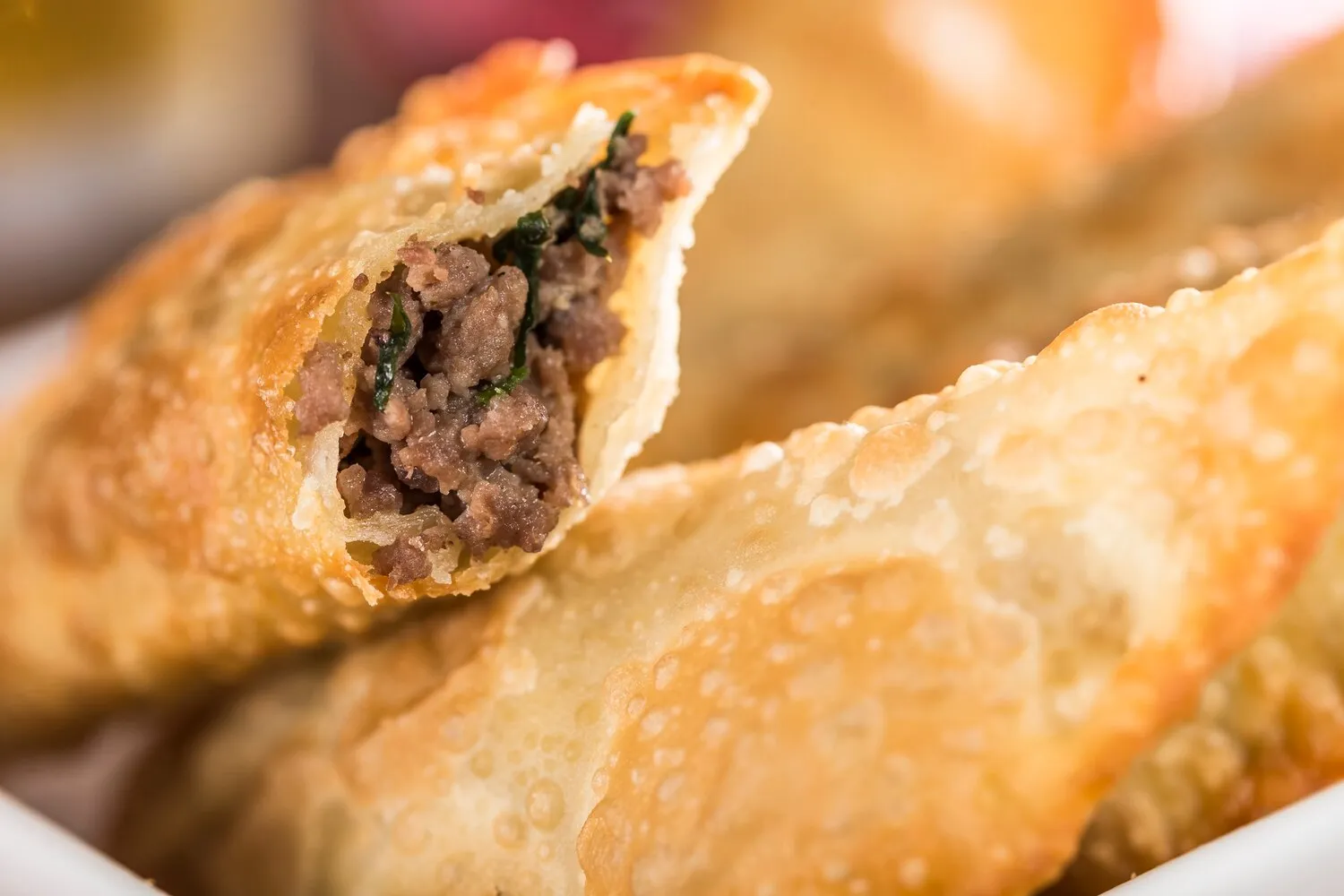
Brazilian pastry, a fried turnover with varied fillings, such as cheese, ground beef, or chicken.
Nutrition Facts
* The % Daily Value (DV) tells you how much a nutrient in a serving of food contributes to a daily diet. 2,000 calories a day is used for general nutrition advice.
Premium Feature
WMS Lanchonete E Restaurante
Premium Feature
The Pastel's origins are tied to Asian immigrants, particularly from China and Japan, who adapted their own fried dough recipes to local ingredients and tastes upon arriving in Brazil in the early 20th century. It is believed that Japanese immigrants, facing prejudice after World War II, sought to blend in by selling this popular street food, initially disguised as Chinese snacks.
Premium Feature
Pastel is deeply ingrained in Brazilian street food culture. It is a readily available and affordable snack, often enjoyed at open-air markets (feiras), street corners, and lanchonetes (snack bars). It represents a quick, satisfying, and social culinary experience.
Feiras (Open-Air Markets)
Pastel is a staple food found at feiras throughout Brazil. The aroma of freshly fried pastel is a signature scent of these vibrant markets, where people gather to socialize and enjoy a variety of foods.
Street Food Culture
Pastel is a quintessential Brazilian street food. It is commonly consumed on-the-go, making it a convenient and accessible meal option for people from all walks of life.
Social Gathering
Eating pastel is often a social activity. Friends and family gather at markets or snack bars to share pastel and enjoy each other's company. It's a casual and convivial experience.
Premium Feature
Pastel's flavor profile is centered around a crispy, savory fried dough pocket filled with a variety of ingredients. The frying process imparts a characteristic oily richness, while the fillings range from salty and savory to slightly sweet, creating a balanced and satisfying culinary experience.
The dough itself is typically mild in flavor, allowing the fillings to take center stage. The most common fillings include ground beef seasoned with onions, garlic, and various spices; melted cheese, often mozzarella or a similar variety; shredded chicken with vegetables; and heart of palm (palmito). Other variations can include shrimp, codfish, pepperoni, or even sweet options like guava paste and cheese. The frying process creates a uniquely crisp and blistered texture on the exterior, contrasting with the soft and flavorful filling inside. Vinegar-based hot sauce (molho de pimenta) is a popular condiment.
Premium Feature
Freshness is Key
Look for pastel being made fresh at the vendor's stand. The best pastel is fried immediately after being assembled, ensuring maximum crispness and flavor.
Choose Your Filling Wisely
Explore the variety of fillings offered and don't be afraid to try new combinations. Some vendors offer unique or regional variations.
Pair with Molho de Pimenta
Enhance the flavor with a drizzle of molho de pimenta (Brazilian hot sauce). Be cautious, as some varieties can be quite spicy.
Eat it Hot!
Pastel is best enjoyed immediately after frying, when it's at its crispiest and most flavorful.
Premium Feature
Explore additional Snack dishes and restaurants
Explore SnackDiscover top dining spots and culinary experiences in Itaboraí.
Explore ItaboraíLearn more about the food culture, restaurant scene, and culinary heritage of Brazil.
Explore Brazil