

Coffee
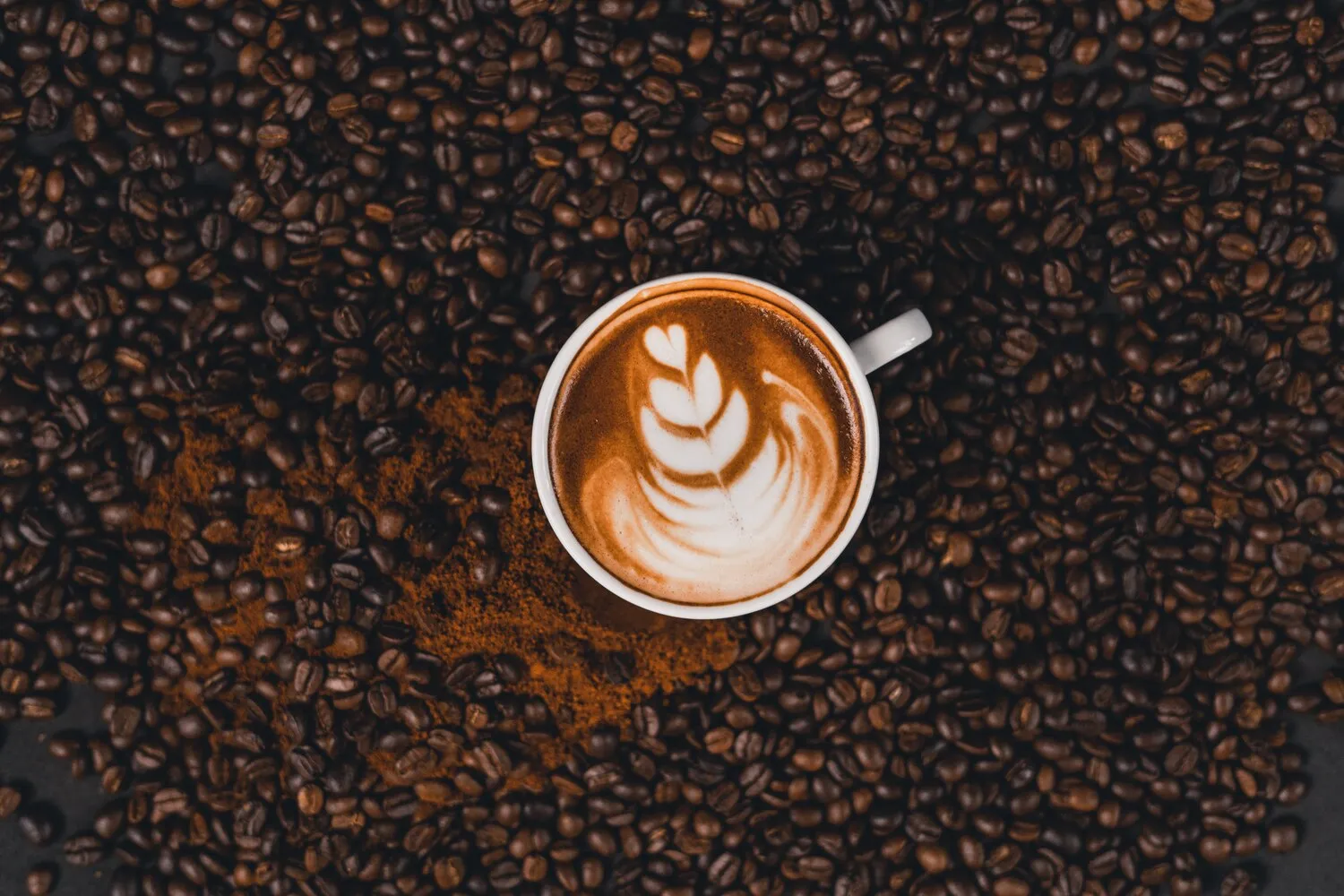
Variety of coffee options, including espresso, cappuccino, and latte.
Nutrition Facts
* The % Daily Value (DV) tells you how much a nutrient in a serving of food contributes to a daily diet. 2,000 calories a day is used for general nutrition advice.
Premium Feature
Torrado e Moído
Premium Feature
Coffee's origins trace back to Ethiopia, where it was discovered in the 9th century. It then spread to the Arabian Peninsula, where it was cultivated and became a popular beverage. Coffee houses emerged as important social and intellectual hubs in the Middle East before spreading to Europe and the rest of the world through trade and colonization.
Premium Feature
Coffee plays a significant role in many cultures, serving as a social lubricant, a ritualistic beverage, and a source of energy. Coffee houses are common gathering places in many countries.
Ethiopian Coffee Ceremony
In Ethiopia, coffee is often prepared and served during a traditional ceremony that involves roasting green coffee beans over charcoal, grinding them by hand, and brewing them in a jebena (traditional clay pot). It's a social event often involving incense and conversation.
Coffee Culture in Italy
Italy is known for its espresso culture, where quick shots of espresso are consumed throughout the day, often standing at the bar. Socializing over coffee is a common practice.
Coffee Houses in Vienna
Viennese coffee houses have a long history and are known for their elegant atmosphere, wide selection of coffee drinks, and pastries. They serve as important social and cultural centers.
Premium Feature
Coffee offers a wide range of flavors depending on the bean, roast, and brewing method. It can be bitter, acidic, sweet, nutty, chocolatey, fruity, or floral, or combinations of these.
The flavor profile of coffee is influenced by factors such as the coffee bean variety (Arabica, Robusta, Liberica, Excelsa), the region it's grown in (soil composition, climate), the roasting process (light, medium, dark), and the brewing method. Espresso, for instance, concentrates flavors, resulting in a bold and intense taste. Cappuccinos balance the bitterness of espresso with the sweetness of milk, while lattes are milkier and milder. Single-origin coffees showcase the unique characteristics of a specific farm or region.
Premium Feature
Choose the Right Grind
The grind size of your coffee beans is crucial for the brewing method. Coarse grinds are best for French presses, medium grinds for drip coffee makers, and fine grinds for espresso machines.
Milk Steaming Techniques
For lattes and cappuccinos, properly steamed milk is essential. Aim for microfoam, which is a velvety texture with tiny, even bubbles. Avoid large, frothy bubbles.
Store Coffee Properly
Store coffee beans in an airtight container in a cool, dark place to preserve their freshness and flavor. Avoid storing them in the refrigerator or freezer, as they can absorb moisture and odors.
Premium Feature
Explore additional Beverage dishes and restaurants
Explore BeverageDiscover top dining spots and culinary experiences in Niterói.
Explore NiteróiLearn more about the food culture, restaurant scene, and culinary heritage of Brazil.
Explore Brazil