

Pizza
New
Pizza Marinara
Molino · Roma

Italy
Discover the best restaurants, dishes, and local cuisine in Roma, Italy. Read authentic reviews, browse menus, and find your perfect dining experience.

Roman cuisine is characterized by bold, simple flavors, often relying on high-quality local ingredients. Key elements include pecorino romano cheese, guanciale (cured pork cheek), black pepper, and artichokes. Dishes are often hearty and satisfying, reflecting the city's agricultural heritage.
A deceptively simple dish consisting of only pasta (usually tonnarelli or spaghetti), pecorino romano cheese, black pepper, and pasta water. The key lies in the perfect emulsification of the cheese and water to create a creamy sauce.
Considered the 'white' ancestor of Amatriciana, this dish features pasta (often rigatoni), guanciale, pecorino romano cheese, and black pepper. It's a rich and savory classic.
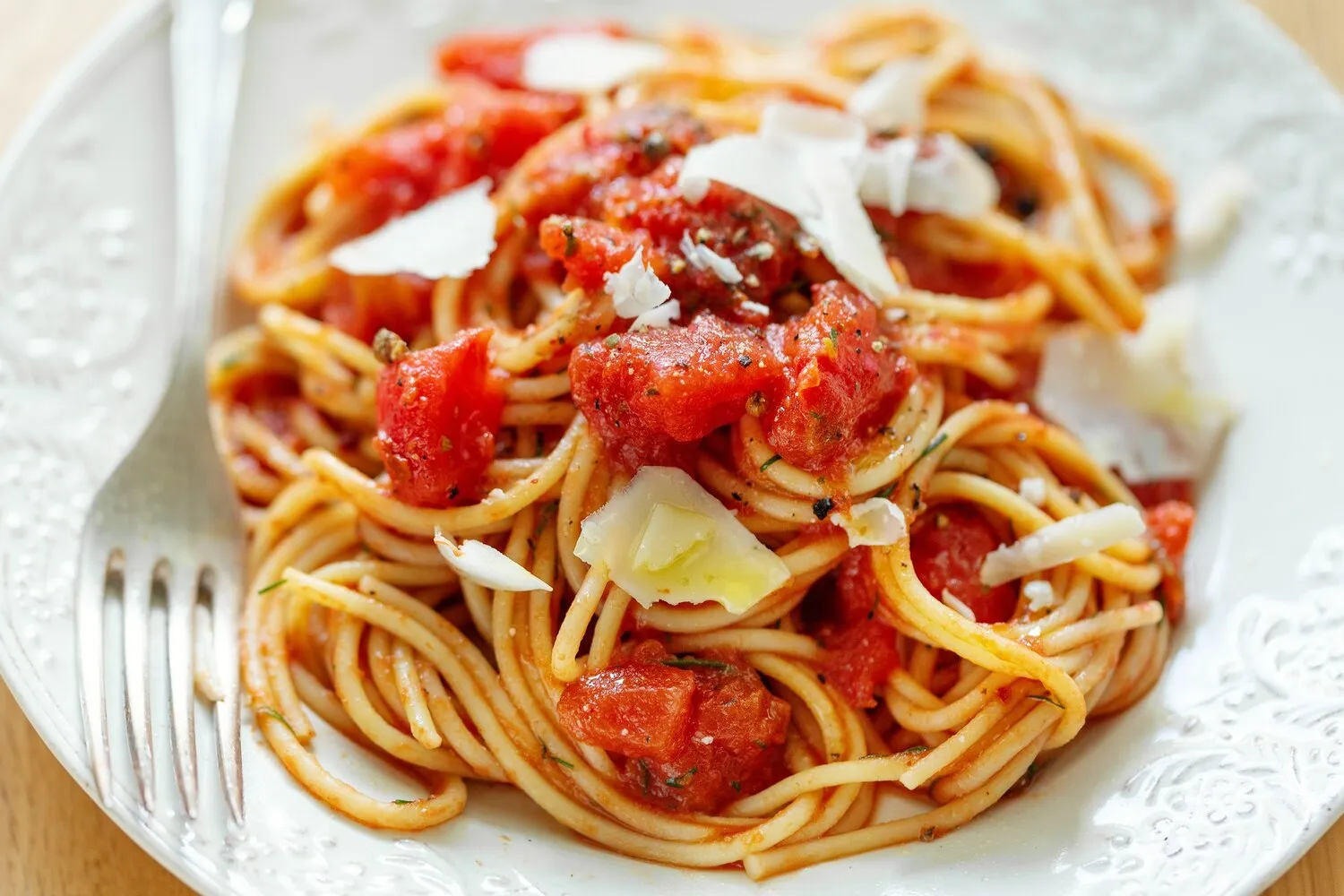
Similar to Pasta alla Gricia, but with the addition of San Marzano tomatoes or tomato sauce. It's a more vibrant and tangy dish, showcasing the sweetness of the tomatoes.
A controversial dish outside of Italy due to variations, authentic Roman carbonara features pasta (spaghetti is common), guanciale, eggs (yolks only!), pecorino romano cheese, and black pepper. Cream is never used.
Thin slices of veal topped with prosciutto and sage, marinated in wine and then pan-fried. The name translates to 'jumps in the mouth,' referring to its deliciousness.
Roman-style artichokes braised with mint, garlic, and parsley in olive oil and water. They are tender and flavorful, showcasing the artichoke's natural sweetness.
Jewish-style artichokes, deep-fried until crispy and golden brown. The artichoke blooms open during frying, resembling a flower. It is a Jewish-Roman specialty.
Fried rice balls (similar to arancini) filled with mozzarella cheese. The 'telefono' refers to the string of melted mozzarella that stretches out when the supplì is broken open, resembling a telephone cord.
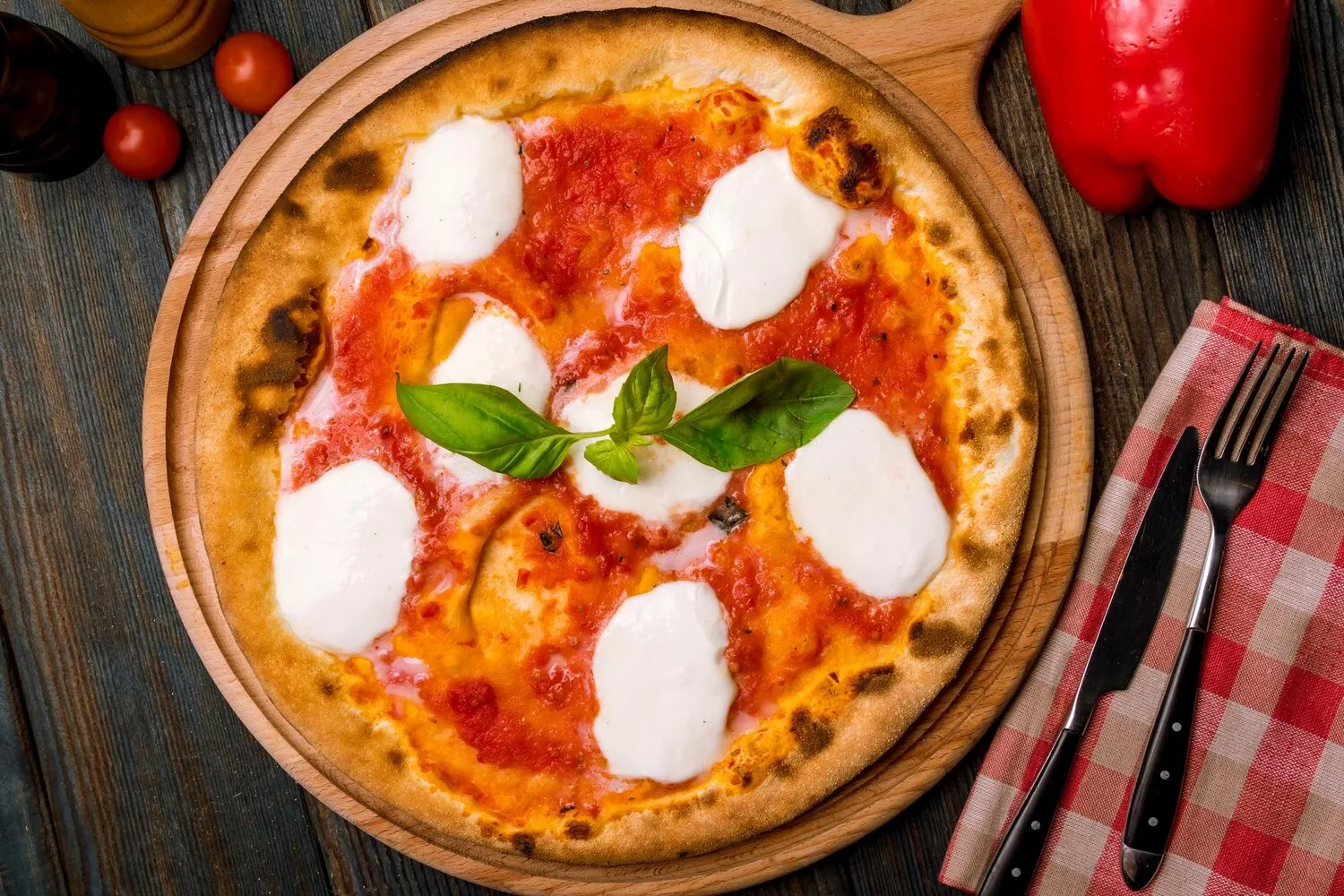
Characterized by its thin, crispy crust and simple toppings. Often features ingredients like tomato sauce, mozzarella, anchovies, or olives.
Grilled lamb chops, marinated with herbs and garlic. The name translates to 'burn your fingers,' as they are best eaten hot off the grill.
To truly experience Roman cuisine, it's helpful to know a few tips and tricks. From understanding local customs to choosing the right restaurants, these tips will enhance your culinary journey.
Venture beyond the tourist traps and seek out trattorias and osterias in quieter neighborhoods for a more authentic experience.
Knowing a few basic Italian phrases will go a long way in communicating with restaurant staff and ordering food.
Online reviews can be helpful, but don't be afraid to try smaller, less-known restaurants that catch your eye.
House wine (vino della casa) is often a good value and a great way to sample local wines.
Dining in Rome is a leisurely affair. Don't expect fast service; take your time and enjoy the experience.
'Coperto' is a cover charge that is automatically added to the bill, typically covering bread and service.
Many restaurants offer 'piatti del giorno' (daily specials) that feature fresh, seasonal ingredients.
Lazio
Roman cuisine is deeply rooted in its history, evolving from simple peasant fare to the sophisticated dishes enjoyed today. Influences range from ancient Roman techniques using ingredients like garum (fermented fish sauce), to the Papal State's emphasis on rich, hearty dishes, and later, the 'cucina povera' or 'poor kitchen' philosophy focusing on utilizing inexpensive, readily available ingredients.
Food in Rome is more than just sustenance; it's a central part of the culture and social life. Meals are often enjoyed with family and friends, and long lunches and dinners are common. There's a strong emphasis on seasonality and using fresh, local ingredients.
Family meals are a cornerstone of Italian culture, and Rome is no exception. Sunday lunch, in particular, is a special occasion where families gather to share food and conversation.
Aperitivo is a pre-dinner tradition where people gather for drinks and snacks, often at bars or cafes. It's a social occasion to relax and unwind before dinner.
Romans place a high value on using seasonal ingredients. Menus often change depending on what is fresh and available at the market.
The Slow Food movement has gained traction in Rome, promoting the preservation of traditional foods and local culinary heritage.
These traditional restaurants offer a more casual and authentic dining experience, often serving regional specialties at reasonable prices.